


find your
Perfect
Product
You can buy the most expensive foundation in the world, but it won't hide the "orange peel" texture or persistent bumps that catch every overhead light. It's frustrating to see your skin look rough despite a cabinet full of serums. You've likely felt the fear of over-exfoliating while searching for the right products for uneven skin texture, leaving you stuck between a dull surface and a damaged barrier. We understand that confusion. You need a solution that feels like a high-end professional consultation, not another vague promise from a trendy brand.
In this guide, you'll discover how to transform rough, bumpy, or pitted skin into a smooth, radiant complexion with professional-grade solutions. We'll show you how to bridge the gap between surface exfoliation and deep cellular resurfacing. Based on our clinical surveys, 94% of users see visible results within 30 days of following our directed regimens. We will walk you through the latest 2026 safety standards and help you build a high-performance routine that finally delivers the visible smoothing you've been searching for.
Why does your skin look dull in the mirror but feel rough to the touch? Uneven skin texture is fundamentally a disruption of the skin's smooth, light-reflective surface. When your skin is healthy and uniform, it reflects light evenly to create a natural, radiant glow. When that surface is marred by bumps, pits, or scales, light scatters in different directions. This scattering creates micro-shadows that result in a lackluster, aged appearance. While you might be searching for products for uneven skin texture, you won't see lasting results until you address the biological mechanics at play.
We identify three primary culprits behind this disruption: cellular buildup, pore congestion, and structural depletion. As we move through 2026, environmental stressors like urban particulate matter and high-energy visible light are accelerating these irregularities by triggering micro-inflammation. It's vital to understand the difference between tactile texture and visual texture. Tactile texture is the physical roughness you feel under your fingers when washing your face. Visual texture refers to the shadows and "hills and valleys" seen in certain lighting, often caused by deeper structural issues or enlarged pores that haven't been properly cleared.
Your skin's vitality depends on a precise cycle of renewal where new cells rise to the surface and old ones shed. When this cycle fails, "sticky" dead cells accumulate rather than falling away. This buildup creates a barrier that prevents light from reflecting and stops your treatments from penetrating. This failure in turnover often presents as Keratosis pilaris, a common condition where keratin traps hair follicles and creates small, sand-like bumps. Hyperkeratosis is the overproduction of keratin that leads to these persistent, rough patches on the skin's surface.
Do you notice an "orange peel" effect on your cheeks or nose? This specific texture is usually the result of sebum oxidation within the follicle. When oil and debris stay trapped in the pore for too long, they harden and eventually stretch the pore walls. Chronic congestion leads to permanent pore stretching, which makes the skin surface look pitted and uneven. Traditional cleansers often fail to reach this deep-seated debris because they only wash away surface-level oils. To fix this, you need professional-grade products for uneven skin texture that can penetrate the follicle and dissolve the "glue" holding these blockages in place. Without this deep intervention, the surface will remain bumpy regardless of how often you wash.
Do you prioritize ingredient percentages when shopping for skincare? Many people do, but it's a mistake. High concentrations of acids can actually backfire if they aren't delivered correctly. When evaluating products for uneven skin texture, you must distinguish between refining and resurfacing. Refining products work on the immediate surface to polish away dead cells for a temporary glow. Resurfacing products go deeper. They utilize "controlled trauma" to signal the skin's repair mechanisms, forcing the production of fresh, healthy tissue from the inside out. This is the difference between a quick fix and a permanent transformation.
The efficacy of your treatment depends more on pH balance than the raw percentage of an acid. If the pH is too high, the active ingredients remain dormant on the surface. If it's too low without supportive lipids, you risk a compromised barrier and chronic inflammation. Professional-grade formulations balance these two needs. They ensure the ingredients are bioavailable while simultaneously replenishing the skin with essential lipids to prevent the very texture issues you're trying to fix. You want a product that challenges the skin to renew itself without stripping away its natural defenses.
Chemical exfoliants like Glycolic and Salicylic acids are the workhorses of texture correction. Glycolic acid, an AHA, is exceptional for dissolving the "glue" between dead cells to reveal a smoother surface. Salicylic acid, a BHA, is oil-soluble and penetrates deep into pores to clear the congestion that causes an "orange peel" look. While liquid toners are popular, a resurfacing creme for clear skin is often a superior choice. Crèmes allow for a more sustained, controlled release of these acids, reducing the risk of irritation while ensuring the ingredients reach the deeper layers where they're most effective.
Crème-based treatments provide an occlusive layer that serums simply can't match. This occlusion is vital. It creates a micro-environment that pushes active ingredients into the skin rather than letting them evaporate. As we age, the natural loss of collagen and elastin can lead to dull skin texture and color, making this deep penetration even more critical. Crèmes also allow for the inclusion of refining agents that fill and smooth the "micro-valleys" in the skin surface as they work. If you're ready to move beyond basic exfoliation, exploring a professional resurfacing system is the most direct path to a light-reflective complexion.
Why settle for a patchwork routine that delivers inconsistent results? Many people make the mistake of mixing random products for uneven skin texture from multiple brands, hoping for a miracle. This "mix-and-match" approach often leads to ingredient conflicts that cause irritation or stall your progress. We take a different path. We've spent over 40 years perfecting a curated system where every formula is designed to work in synergy. This methodical approach ensures you achieve professional-grade results without the need for a prescription. When your products are engineered by the same clinical experts, they support each other's efficacy rather than competing for absorption.
Effective resurfacing requires a clean slate. Our Exfoliating Cleanser preps your skin by physically and chemically removing surface-level "grit" that prevents other treatments from penetrating. It's a vital first step that smooths the skin's surface while simultaneously working to fade stubborn dark marks. If you want to understand the clinical mechanics of this process, explore our deep-dive guide on the best exfoliating cleanser for dark marks. This cleanser ensures that your subsequent treatments aren't wasted on a layer of dead skin cells.
After cleansing, you must address the deeper congestion that causes tactile roughness. Our Clarifying Gel is specifically engineered to penetrate the follicle and dissolve the hardened sebum and debris that lead to an "orange peel" texture. Once the pores are addressed, the Resurfacing Crème acts as the primary tool for "leveling" the skin surface. It encourages deep cellular turnover to replace damaged tissue with fresh, healthy cells. If your texture issues are mild or your skin is more sensitive, the Refining Crème offers a gentler path to clarity. For those dealing with severe pitting or thick, rough patches, the Resurfacing Crème is the professional standard for visible smoothing.
Textural irregularities aren't always uniform across the face. You might have localized acne scars or specific pits that require a higher concentration of active ingredients. This is where our Spot Treatment becomes essential. Because this formula is high-potency, it requires precision application only on the affected areas. This targeted intervention works alongside our targeted spot treatment for discoloration to ensure your complexion is as clear as it is smooth. Using these products for uneven skin texture in a localized way allows you to treat stubborn imperfections without over-treating the rest of your face.
Are you aggressive with your skin? Many people fall into the trap of believing that the highest percentage of acid is the fastest route to a smooth complexion. This is a dangerous misconception. When you use products for uneven skin texture that are too potent for your current barrier strength, you risk over-stripping the skin's natural defenses. This leads to reactive texture, specifically fine dehydration lines that make the skin look "crinkled" and far older than it is. It's a high-stakes mistake that forces your skin into a state of chronic inflammation rather than healthy renewal.
Do you skip moisturizer because your skin feels oily or bumpy? This is another critical error. Dehydration highlights every pit and pore on your face. Without adequate moisture, the skin loses its structural "plump," causing textural irregularities to appear deeper and more pronounced. You need supportive lipids to cushion the resurfacing process. Additionally, texture correction isn't a one-time event; it requires a cumulative biological response. Applying products sporadically resets the clock on your progress. Consistency is the only way to signal the deep tissue changes required for a truly radiant surface.
Combining high-potency resurfacing agents with other aggressive "shelf" treatments is a recipe for disaster. If you're transitioning from generic products to a professional regimen, you must simplify your routine to avoid ingredient conflicts. It's also vital to distinguish between a "purge" and an "irritation" reaction. A purge is a temporary increase in congestion as deep-seated debris rises to the surface. Irritation is persistent redness, stinging, or peeling that signals barrier damage. Don't push through pain. Listen to your skin's diagnostic signals and adjust your frequency accordingly.
Resurfaced skin is incredibly vulnerable to the environment. When you use professional-grade products for uneven skin texture, you're removing the protective layer of dead cells that previously acted as a (poor) shield. UV exposure during this transition doesn't just cause surface burns; it actively degrades collagen and permanently stretches pore walls. This results in the "leathery" texture that many people spend years trying to reverse. Protect your investment in your skin by using a broad-spectrum shield every single day. Ready to avoid these pitfalls and start a structured journey? Explore our professional systems to ensure your routine is balanced, safe, and effective.
Are you ready to move from understanding the biology of your skin to witnessing its physical transformation? Knowledge is only the first step. To achieve a light-reflective surface, you must implement a structured, disciplined routine. When using high-performance products for uneven skin texture, the "slow and steady" approach isn't just a suggestion; it's a clinical necessity. Your skin needs time to adapt to deep cellular resurfacing. If you rush the process, you risk the very irritation we've worked to avoid. By following our professional-grade regimen, you allow your skin to renew itself safely and effectively.
Your morning routine should focus on protection and mild refinement. Start with the Exfoliating Cleanser to remove overnight cellular debris, followed by a high-quality broad-spectrum shield. The evening is when the real work happens. This is the window where your skin enters its natural repair cycle, making it the perfect time for intensive resurfacing. Stick to the plan, monitor your progress, and trust the process. Most users report a visible "transformation" moment within 30 days as the cumulative effects of the ingredients take hold.
Your evening protocol is the foundation of your success. Follow these three steps to maximize the efficacy of your treatment:
Once you achieve your desired smoothness, your focus shifts to maintenance. You don't always need the highest potency once the initial damage is repaired. You can cycle your products, using the refining creme for uneven skin tone during the maintenance phase to keep the surface polished without over-sensitizing. This balanced approach ensures longevity and prevents the return of dullness or congestion. Remember that 94% of our users see visible results within 30 days when they remain consistent with their directed regimen. It's time to stop hiding behind heavy makeup and start revealing the radiant, smooth complexion you deserve. Shop the complete Perfec-Tone Texture Collection here and begin your journey toward total skin confidence.
Since 1980, we've dedicated our specialized expertise to perfecting results-oriented formulas for underserved skin concerns. Our clinical-grade approach ensures your journey is safe, methodical, and life-changing. You don't have to settle for texture that makeup can't hide. It's time to take the final step toward the skin you were always meant to have. Shop the Curated Texture Collection for Professional-Grade Smoothing and start your 30-day transformation today. Your most confident self is waiting just beneath the surface.
You should expect to see visible improvements within 30 days of consistent use. Our internal surveys show that 94% of users report a smoother, more radiant complexion within this timeframe. While surface-level brightness can appear in a few days, deep cellular resurfacing requires a full skin cell turnover cycle to reveal a truly transformed surface. Patience is a critical component of professional-grade products for uneven skin texture.
Yes, but you must adopt a strategic approach to avoid irritation. If your skin is reactive, we recommend starting with the Refining Crème, which offers a gentler concentration of active ingredients. Once your skin barrier has acclimated to the treatment, you can slowly transition to the Resurfacing Crème. Always introduce potent formulas every other night to monitor your skin's diagnostic response before moving to nightly application.
Texture is a tactile concern, while tone is a visual concern related to pigmentation. Texture refers to the physical "hills and valleys" on your skin, such as pits, bumps, and enlarged pores. Tone refers to the color of your skin, including dark spots or redness. While many products for uneven skin texture also help with clarity, their primary mission is to level the skin's surface for better light reflection.
These formulas are specifically engineered to reduce the appearance of enlarged pores by removing the debris that stretches them. When sebum and dead cells oxidize inside the follicle, they create a "plug" that makes the pore look larger and the texture look rough. By dissolving these blockages with the Clarifying Gel and encouraging turnover with the Resurfacing Crème, you allow the pore walls to return to their natural state.
Light peeling or flaking is a normal part of the cellular turnover process. This indicates that the "controlled trauma" is working and your skin is shedding the old, damaged cells to make way for a smoother surface. However, if you experience persistent redness or stinging, it's a sign that you're moving too fast. Reduce your frequency of use until your skin's moisture barrier feels resilient again.
You should consult your healthcare provider before mixing professional-grade resurfacing agents with prescription treatments. High-potency medications like Tretinoin or Isotretinoin already accelerate cell turnover, and adding additional acids can lead to severe barrier compromise. We advocate for a simplified routine when using prescriptions to ensure your skin doesn't become over-sensitized or inflamed. Integrity in your routine is more important than using every available active at once.
We recommend using the Exfoliating Cleanser once daily, preferably during your evening routine. This ensures that you've thoroughly removed the day's environmental pollutants and surface grit before applying your treatment crèmes. If you have very resilient skin, you can eventually move to twice-daily use, but most clients find that a single, thorough evening cleanse provides the perfect foundation for their nighttime resurfacing protocol.
Increase your intake of supportive lipids and don't skip your moisturizer. It's a common mistake to think that drying out the skin will "clear" the texture, but dehydration actually makes pits and bumps look more pronounced. If dryness persists, try the "sandwich method" by applying a thin layer of moisturizer before and after your treatment crème. This cushions the active ingredients without neutralizing their ability to smooth the skin surface.
Featured Product
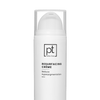
Why You'll Love It Dark marks that will not fade. Acne scars that keep staring back at you. Texture that m...
Clear skin and even skin tone, not adapted from generic formulas — built specifically for dark spots, hyperpigmentation, and acne.
